Nitric Oxide and Men's Blood Flow: What the Science Actually Says
VelvetWell Guides · November 1, 2026 · 5-minute read

If you have seen ads for men's "nitric oxide boosters," you have probably seen some very large promises. This guide takes the marketing down a few notches and explains what nitric oxide actually is, why it matters for men, and where supplements honestly fit — so you can judge any product, including the ones we link to, with clear eyes.
What nitric oxide does, in plain words
Nitric oxide is a molecule your own body makes. One of its main jobs is signalling the smooth muscle in blood-vessel walls to relax, which lets the vessels widen and blood flow more freely. That is why it comes up in conversations about circulation, exercise performance, blood pressure — and erections, which depend heavily on healthy blood flow. Your body builds nitric oxide from an amino acid called L-arginine, and it also recycles nitrates from food — leafy greens and beetroot are the famous sources.
Why it becomes a topic after 40
As men age, the inner lining of the blood vessels (the endothelium) tends to produce nitric oxide less efficiently. Add the usual modern package — less movement, more weight, poorer sleep, smoking, heavy drinking, unmanaged blood pressure — and blood flow simply is not what it was at 25. That is the real backdrop behind this whole product category: the underlying issue is vascular health, not a lack of any one powder.
The unglamorous things that actually move the needle
Before any supplement, the evidence-backed basics are boring and effective: regular aerobic exercise (brisk walking counts), a diet with plenty of vegetables including nitrate-rich greens and beetroot, not smoking, moderate alcohol, decent sleep, and keeping blood pressure and blood sugar in check with your doctor. These habits support the same nitric-oxide pathways every booster advertises — for free, and with benefits no jar can match.
What supplements can and can't do
Most men's nitric-oxide supplements are built on ingredients like L-arginine, L-citrulline (which raises arginine levels), beetroot extract, and various botanicals. The honest summary of the research: these ingredients are biologically plausible and some small studies show modest effects on blood-flow measures, but the evidence is mixed, effects vary a lot between people, and no supplement is an approved treatment for erectile dysfunction or any other condition. If a page promises dramatic, guaranteed transformation, that is marketing talking — not science. Serious or persistent problems with erections can also be an early sign of cardiovascular disease, which is a far more important reason to see a doctor than any supplement decision.
Who should be careful
Talk to a doctor or pharmacist before using nitric-oxide or "performance" supplements if you take nitrate medicines for chest pain, medication for blood pressure, or prescription medication for erectile dysfunction — combinations can push blood pressure too low. The same goes if you have heart, kidney or liver disease. "Natural" on a label does not mean interaction-free.
Two products readers ask us about
We list these as partner offers — we have not tested them, and we present them so you can read the makers' own pages and guarantees and decide for yourself:
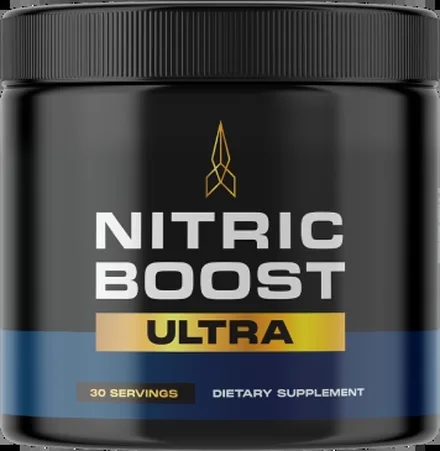
- Nitric Boost Ultra — a nitric-oxide powder supplement sold in 1, 3 and 6-jar options, with a 60-day money-back guarantee stated by the maker. See it at the official site.
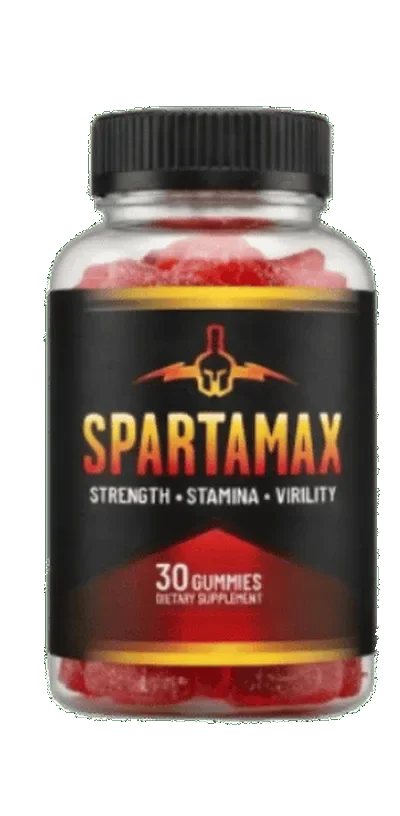
- Spartamax — a men's performance and vitality supplement sold via ClickBank, which runs a standard refund policy. See it at the official site.
The two links above are affiliate links — we may earn a commission at no extra cost to you.
The bottom line
Blood flow is worth caring about, and nitric oxide is a real part of that story. Start with the habits, treat supplement claims with calm scepticism, check the guarantee before you pay, and involve a doctor when medication or symptoms are part of the picture. That approach will serve you better than any single product — including the ones linked here.
This guide is general educational information about physiology and consumer supplements, not medical advice, and supplements mentioned are not intended to diagnose, treat, cure or prevent any disease. If you have symptoms or a health condition, please consult a qualified healthcare professional.